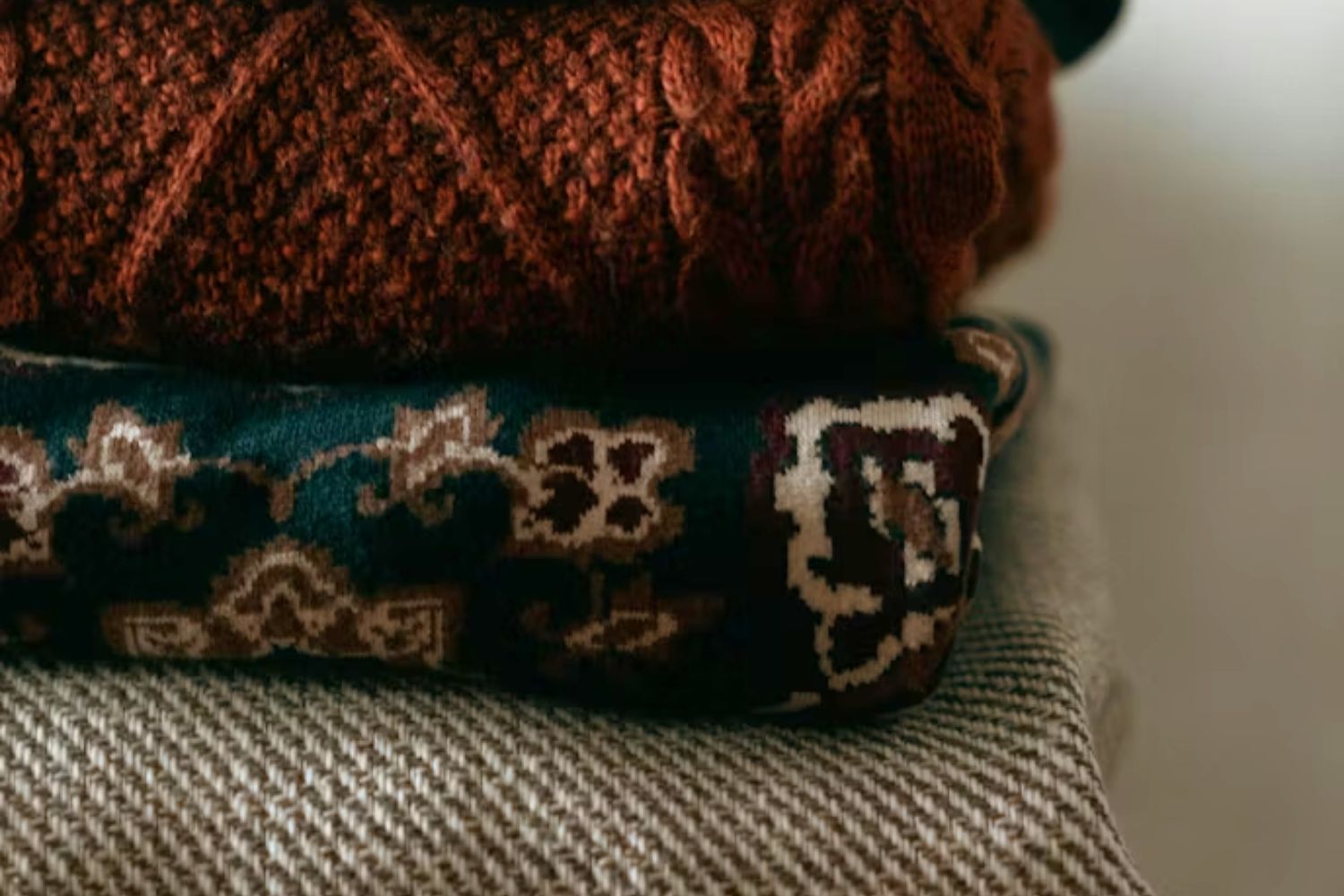
When the mercury plunges this low, it's no longer just a matter of style — it's a matter of thermal performance.
Some fibers insulate better, others breathe more, and the best ones combine warmth + lightness + comfort.
Here is our ranking of warmest natural fibers for winter in Quebec, with concrete advice on how to properly maintain them.
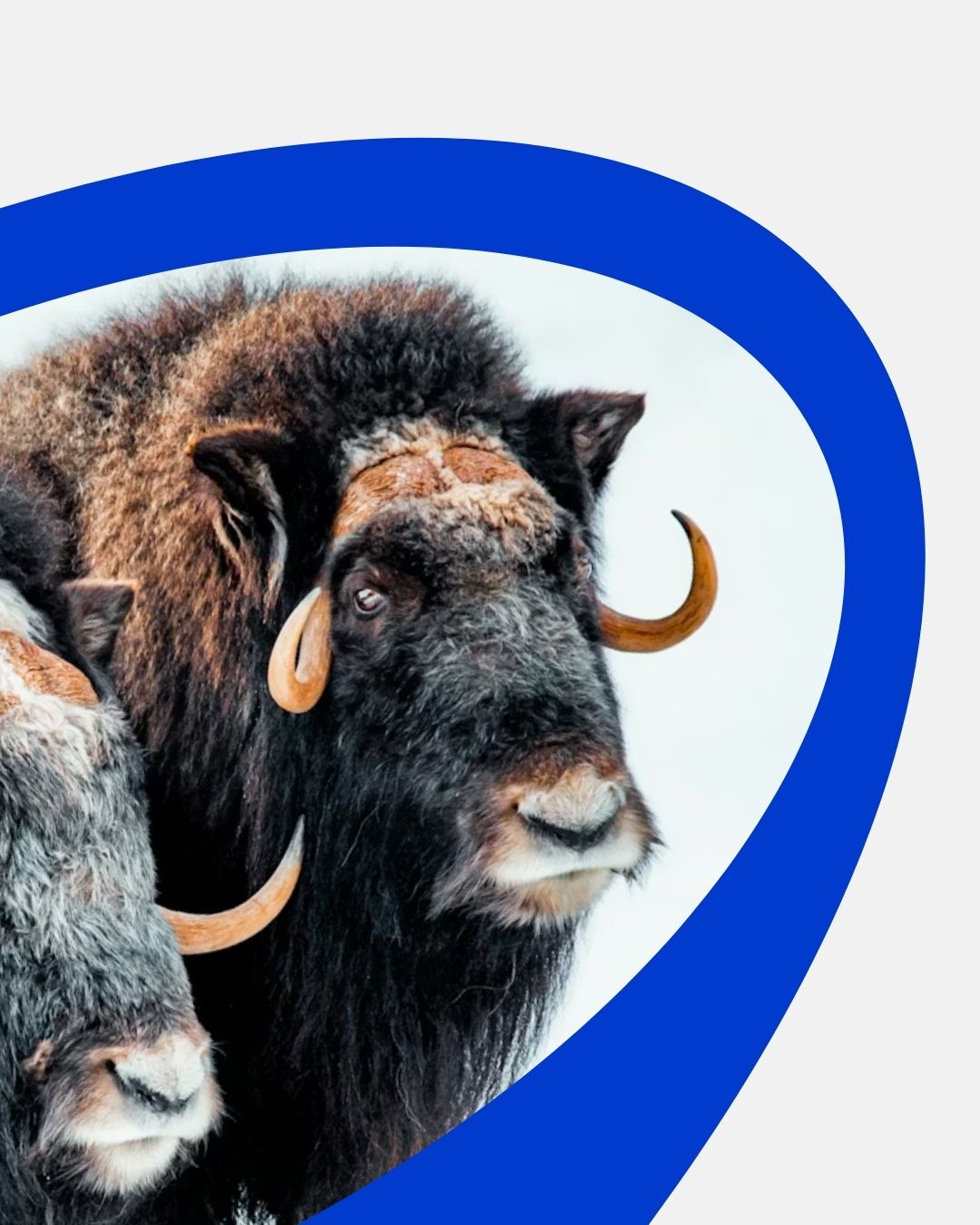
Qiviut comes from the undercoat of muskox. It is one of the most insulating fibers in the world.
It is the ultimate fiber for extreme cold... but also the rarest.
Professional dry cleaning is highly recommended to preserve the exceptional fineness of this rare fiber. If you clean at home:
👉 For qivut rooms, professional cleaning remains the safest solution.
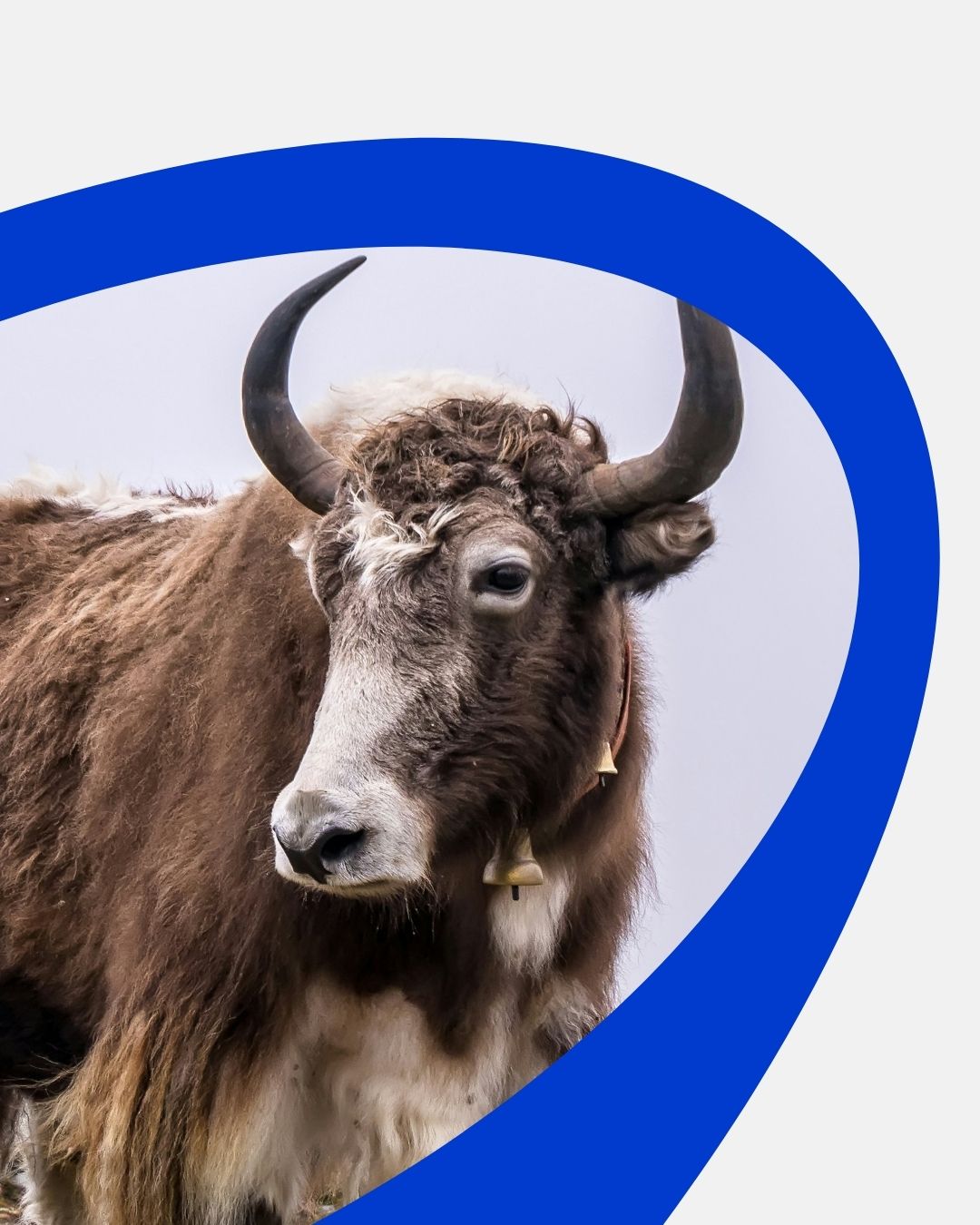
Yak is often even warmer than cashmere, while still being very breathable.
However, cashmere gains in terms of softness.
Ideally, opt for dry cleaning to avoid shrinkage and loss of softness. If you wash at home:
A thermal shock is enough to cause these fibers to shrink.

Alpaca is naturally thermoregulatory: it keeps the heat without causing overheating.
Dry cleaning is generally the safest method for maintaining the shape and texture of clothing. At home:
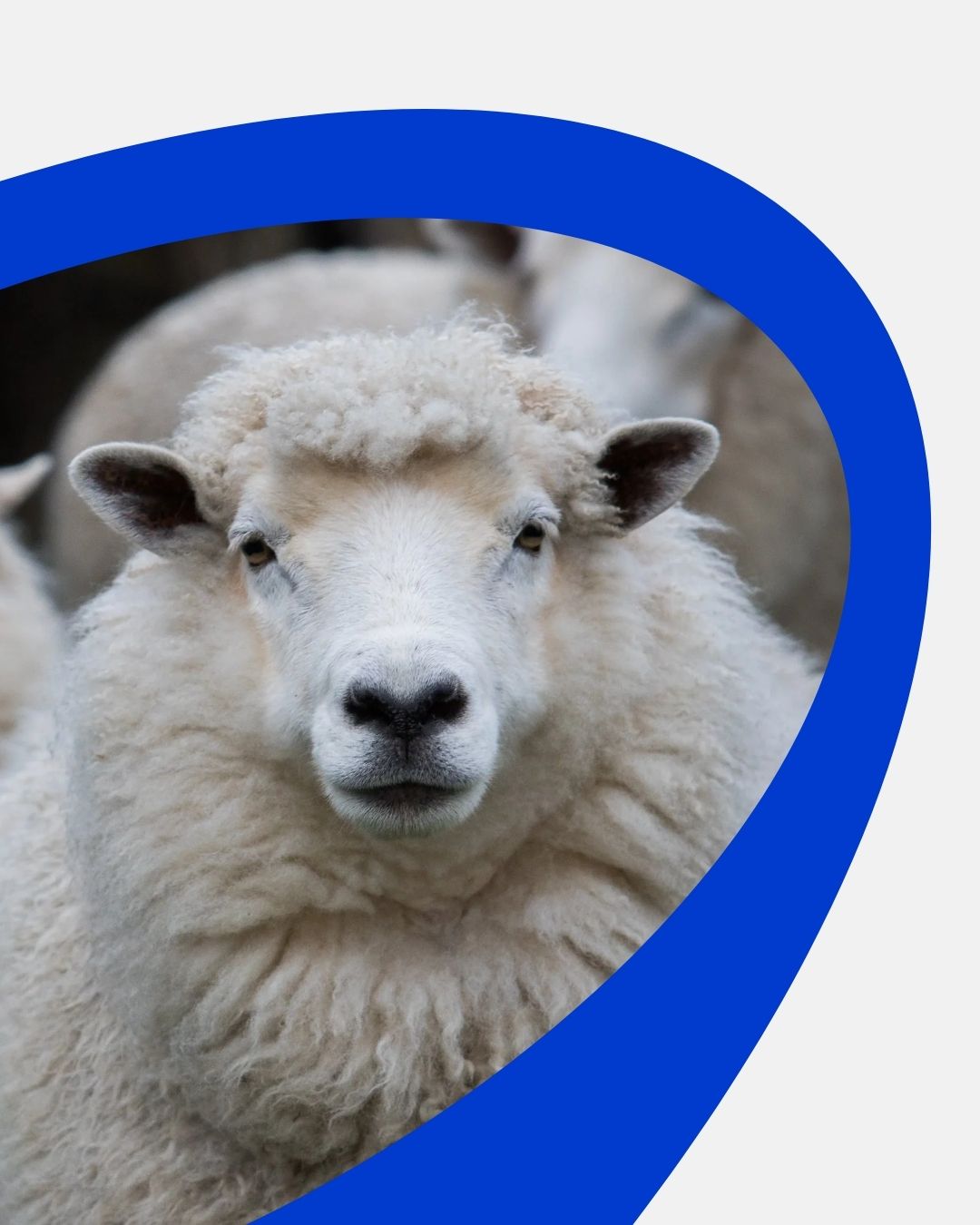
Merino wool is the star of winter underlays.
It stays warm even when it is humid and regulates body temperature very well.
Dry cleaning is recommended for structured parts; for underlays, a very delicate wash may be appropriate. At home:
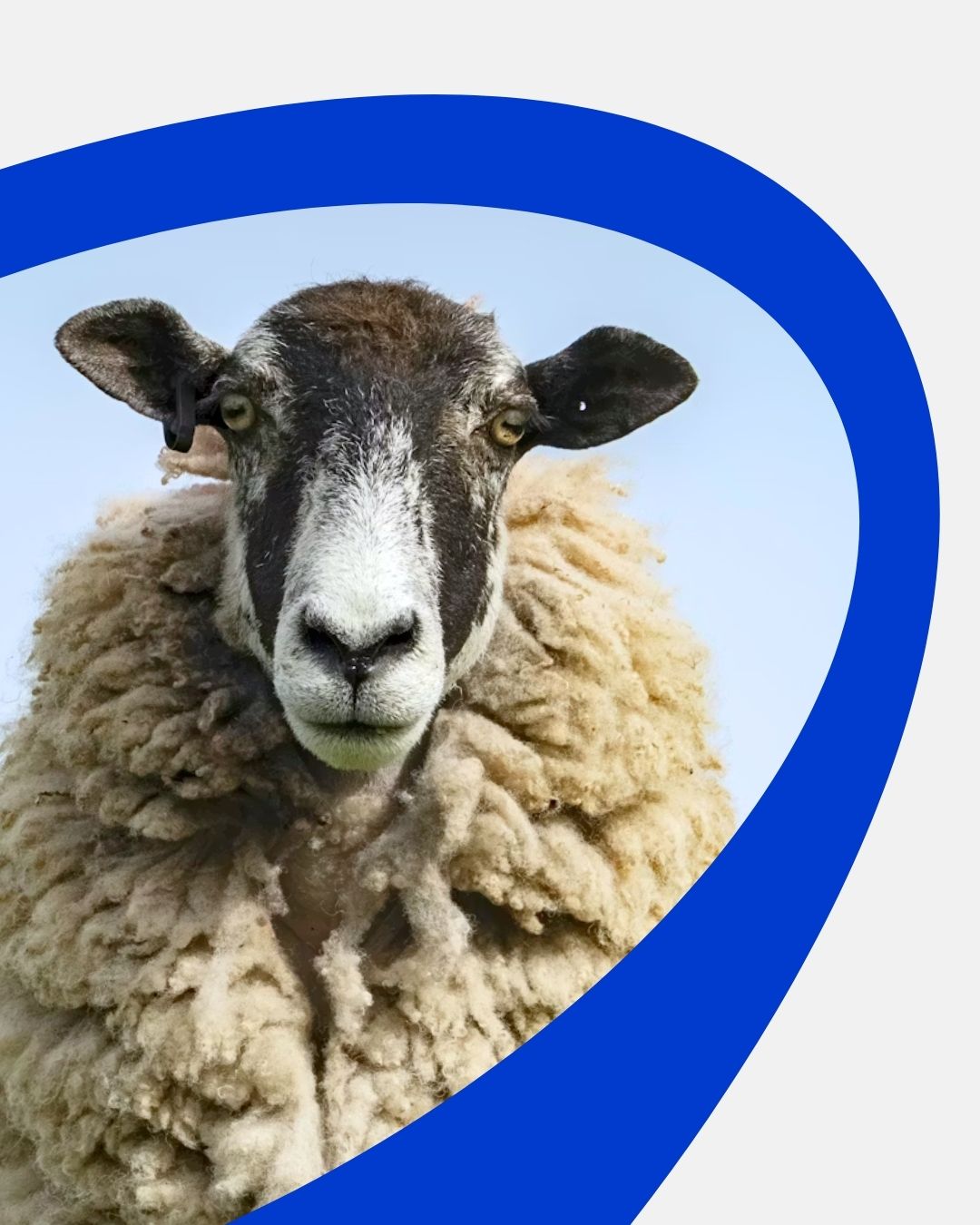
Heavier, sometimes less soft, but extremely effective against the cold.
For thick coats and knitwear, dry cleaning is still the best option to avoid felting and warping. If you wash at home:
Regardless of the fiber, the best strategy remains the multi-layered :
This combination traps hot air and limits thermal losses.
1. Qiviut ⭐⭐⭐⭐⭐
2. Yack/Cashmere ⭐⭐⭐⭐
3. Alpaca ⭐⭐⭐⭐ ½
4. Merinos ⭐⭐⭐ ½
5. Classic wool ⭐⭐⭐ ½
Note: heat also depends a lot on the weave, the thickness of the garment, and how layers are layered — not just on the fiber.
But remember: The warmer and more noble a fiber is, the more delicate maintenance it requires.
Good cleaning extends the life of your clothes... and their ability to keep you warm for several winters.